

Teeth can appear yellow even if you brush every day because brushing alone cannot remove all stains or change the natural color of your teeth. Diet, aging, genetics, enamel thinning, smoking, medications, and deep intrinsic stains can all cause yellow teeth despite good oral hygiene.
Why Are My Teeth Yellow?
Let’s face it, we all want that picture-perfect bright, white smile. But, unfortunately for most of us, no matter what we do or how much we brush, the stains just won’t truly fade. Yellower teeth, however, are not an indication of an unhealthy mouth. In the general population, even those with good oral hygiene have stains. So if it’s not about health, then why are some teeth inevitably yellow?Patients interested in professional teeth whitening and cosmetic dentistry services in Cottonwood Heights can explore treatment options available through Abundant Dental.
Do yellow teeth mean unhealthy?
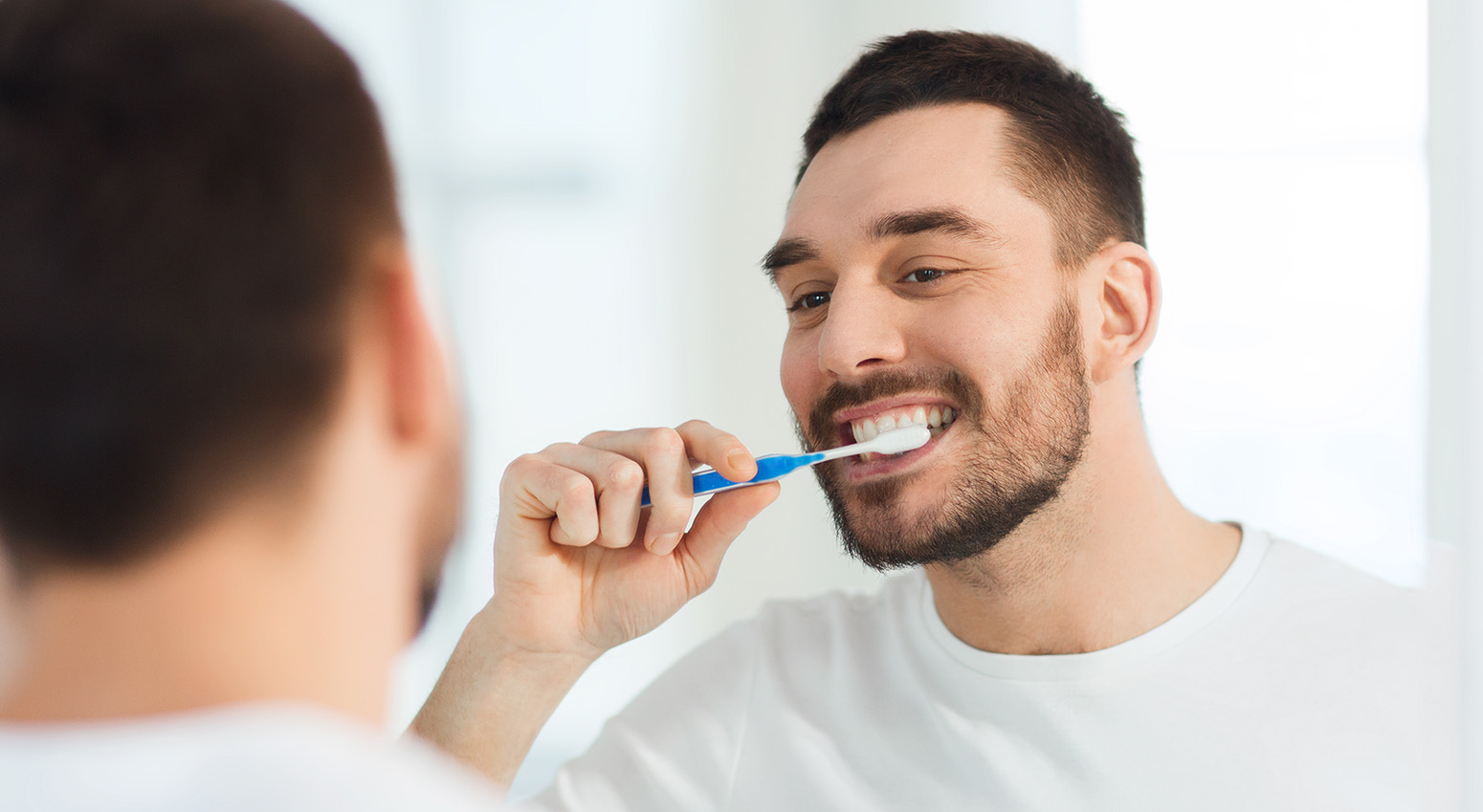
Yellow teeth do not necessarily mean that the mouth is unhealthy. While in some instances this may be the case, there are other reasons as to why teeth become stained. For optimal oral health, the American Dental Association recommends a regular dental routine of brushing and flossing twice a day. When brushing, it is crucial to reach all sides of the teeth as food residue, which can cause discoloration, can get lodged in the tight cracks. A consistent oral routine and keeping up with twice-a-year dental appointments is the recipe for a healthy mouth.
Why are my teeth yellow when I brush them every day?
If I brush my teeth every day, why are they yellow? This is one of the most common questions dentists hear from patients. In many cases, yellow teeth are completely normal and are caused by factors beyond daily brushing habits. While brushing removes plaque and surface buildup, it cannot always remove deep stains or reverse enamel thinning that naturally occurs over time.
Even with brushing and flossing twice a day, sometimes this still isn’t enough to keep our teeth shiny and bright. But, not to fear, most teeth have what are called “extrinsic stains”, meaning they’re stains on the surface of the tooth that are coming from an outside source. With a few lifestyle adjustments, you can significantly reduce the yellowish appearance of your teeth and keep them whiter for longer.

- Food & Drinks. Drinking coffee, tea, red wine, darker sodas, and eating certain foods like colored candies can produce noticeable stains. Sodas especially can slowly wear away tooth enamel and make teeth more prone to discoloration. However, this is not to say you can drink or eat anything that stains ever again. Simply reducing the intake of these products can help produce whiter teeth.
- Extrinsic vs Intrinsic Stains. There are two main types of tooth discoloration: extrinsic stains and intrinsic stains. Extrinsic stains develop on the outer surface of the teeth and are commonly caused by coffee, tea, wine, soda, and smoking. These stains are often easier to remove through professional cleanings or whitening treatments.
Intrinsic stains occur beneath the enamel inside the tooth structure. These stains are usually caused by aging, trauma, medications, genetics, or enamel wear. Because intrinsic stains develop deeper within the tooth, they are often more difficult to treat with regular brushing or over-the-counter whitening products. - Tobacco. The use of cigarettes and other tobacco products is known to produce yellow teeth. Reducing the amount you smoke or chew these products will not only help with avoiding both extrinsic and intrinsic stains but also will reduce the chance of gum and tooth decay and disease.
- Medications. Some medications on the market have been linked to developing yellow teeth. These include drugs for high blood pressure, chemotherapy, some antibiotics, antihistamines, and antipsychotics. Often, drug-related staining is seen in children. This is due to the medications binding to calcium and depositing in developing teeth.
- Tooth Disease. When the teeth are developing, whether it is in the womb or during childhood, they are rather vulnerable to discoloration. Any illness or disease that stunts enamel development can result in long-term stains. During adulthood, some trauma and diseases can have the same yellowing effect.
- Trauma. Any sort of traumatic injury to the mouth while the teeth are still developing can impact the enamel formation. This can result in a discolored appearance. If the trauma is bad enough to impact the tooth’s blood flow, a darker color can develop.
- Aging. As we age the enamel on our teeth slowly wears away. This exposes the yellow dentin that resides underneath, making the mouth seem discolored. Additionally, because the translucency of teeth decreases with time, the appearance of the dental pulp appears darker.Genetics can also play a major role in tooth color. Some people naturally have thicker enamel, while others have more visible dentin beneath the enamel. This means that even with excellent oral hygiene habits, some individuals may naturally have teeth that appear slightly more yellow than others.
Why Brushing Alone Is Not Enough
Brushing is essential for maintaining healthy teeth and gums, but brushing alone does not always whiten teeth. Most regular toothpaste is designed to remove plaque and food debris rather than deeply lifting stains from the enamel.
Over time, tartar buildup, acidic foods, smoking, and aging can all contribute to discoloration that cannot be fully removed with standard brushing. In addition, enamel naturally becomes thinner as we age, exposing more of the yellow dentin underneath.
For many patients, professional cleanings and whitening treatments are necessary to noticeably brighten the appearance of their smile. Patients looking for cosmetic dental care and whitening treatments in American Fork can learn more about local services available at Abundant Dental.
Can you get yellow teeth white again?
Stained teeth are not destined to be stained forever. In fact, there are at-home and professional methods of whitening teeth. Most drugstores offer whitening strips and whitening toothpaste. While over-the-counter whitening products can help with mild surface stains, professional whitening treatments are often more effective for deeper discoloration. Professional teeth whitening uses stronger whitening agents that penetrate below the enamel surface to break apart stain molecules more effectively and safely. which, when used regularly, can help achieve whiter teeth. However, for those with sensitive teeth and gums, overuse of these at-home products can cause increased sensitivity and discomfort.
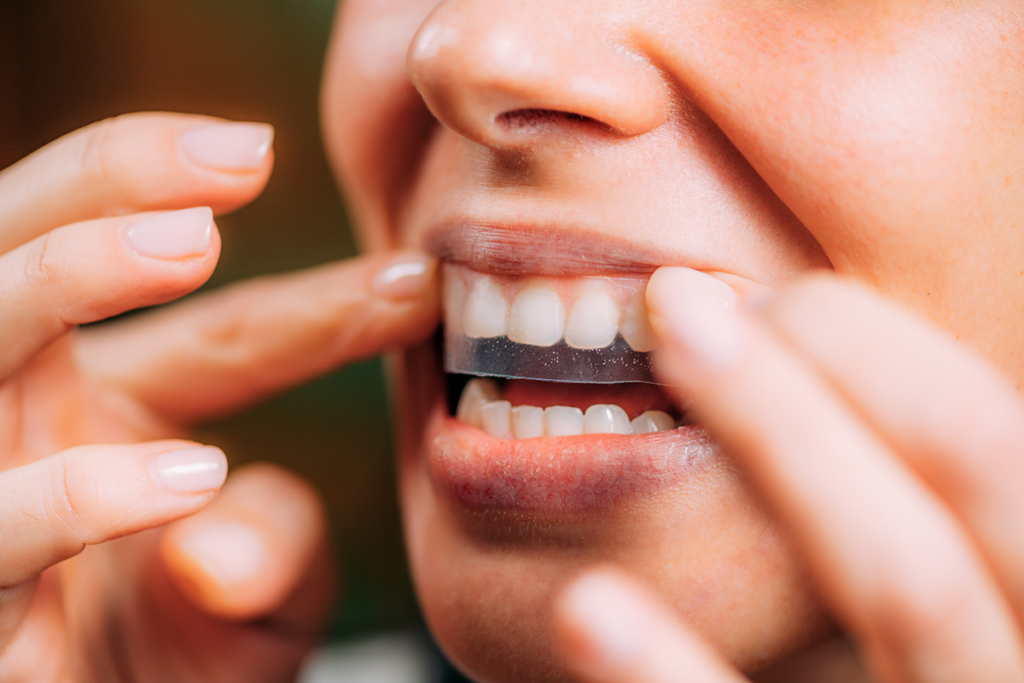
Cosmetic dentistry services are another option for tackling discoloration. The whitening solution used at the dental clinic is often stronger and more concentrated than that you’d find for sale. Often, many people see impressive results after the first professional whitening treatment. For darker, more stubborn stains, you may need to attend multiple appointments.
When Should You See a Dentist About Yellow Teeth?
While yellow teeth are often harmless, there are situations where discoloration may indicate an underlying dental problem. If you notice sudden discoloration, pain, sensitivity, or one tooth becoming significantly darker than the others, it is important to schedule a dental evaluation.
A dentist can determine whether the discoloration is caused by surface stains, enamel erosion, trauma, decay, or another oral health concern. Early treatment can help prevent more serious dental problems and improve the appearance of your smile.
If you are looking for a trusted cosmetic dentist in Saratoga Springs, professional whitening and cosmetic treatments can help improve your smile safely and effectively.
Abundant Dental Is Here To Help
One of the quickest and safest ways to a pearlier smile is through professional teeth whitening services. Abundant Dental has been Utah’s premier dental clinic, offering cosmetic dentistry services among many others. For a professional teeth whitening treatment like no other, call Abundant Dental today and book an appointment.
FAQs
Can yellow teeth become white again?
Yes, many yellow teeth can become significantly whiter with professional whitening treatments or over-the-counter products. The results depend on whether the stains are surface-level or deeper inside the tooth.
Does brushing harder make teeth whiter?
No. Brushing harder can actually wear down enamel and make teeth appear more yellow over time because it exposes more dentin underneath the enamel surface.
Is it normal for teeth to be slightly yellow?
Yes. Natural teeth are not perfectly white. Most healthy teeth have a slightly off-white or yellow tint due to the natural dentin beneath the enamel.
What is the fastest way to whiten yellow teeth?
Professional teeth whitening treatments performed by a dentist are typically the fastest and most effective way to whiten yellow teeth safely.
Can a dentist remove yellow stains from teeth?
Yes. Dentists can remove many surface stains with professional cleanings and whitening treatments. Severe intrinsic discoloration may require veneers or cosmetic bonding.
Why do my teeth stay yellow after brushing twice a day?
Teeth may stay yellow because of deep intrinsic stains, aging, enamel thinning, genetics, smoking, certain foods, or medications. Brushing helps maintain oral hygiene, but does not always fully whiten teeth.

Chandler Townsend
Dentist & Dental Author
Dr. Chandler Townsend is an experienced dentist at Abundant Dental Care with advanced training in restorative dentistry, dental implants, endodontics, prosthodontics, and comprehensive dental care. He contributes his clinical expertise to patient-focused articles designed to help readers better understand their dental health and treatment options.