

The cost of dental implants in American Fork is one of the most important questions patients ask when exploring tooth replacement options. Families in American Fork, UT, want clarity about pricing, procedure steps, and long-term benefits before committing to treatment. Accurate cost information allows patients to compare treatment options with confidence while protecting their oral health and financial stability.
Pricing for dental implants can vary widely based on several factors, including the number of implants needed, bone condition, lab fees, and the experience of skilled dentists performing the surgery. Patients who understand what influences overall cost are better prepared to make informed decisions about restoring one or more teeth. Learn more about implant dentistry in American Fork to explore advanced procedures and personalized care.
The average dental implant cost in American Fork typically ranges from 3000 to 5500 dollars for a single tooth implant. Full arch restorations may range from 20000 to 50000 dollars, depending on complexity and materials. Comprehensive treatment planning ensures that every phase of care is explained before treatment begins.
Dental Implants
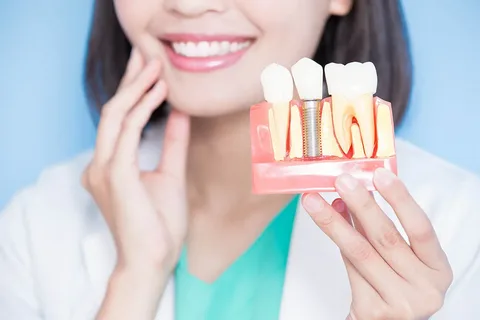
Dental implants are artificial tooth roots designed to replace missing teeth with a permanent solution that looks and feels like natural teeth. Titanium posts are placed into the jawbone where they fuse with bone over time, creating a stable foundation for crown placement or a custom-made denture.
Tooth implants offer long term benefits compared to traditional dentures or bridges. Stability improves chewing efficiency and supports healthy teeth around the implant site. Preservation of bone structure prevents facial collapse that often follows tooth loss.
Many patients choose implants because they restore self-confidence and allow them to speak and eat comfortably. Proper care through brushing, flossing, and regular dental visits helps implants last for decades.
Dental Implant Procedure
The dental implant procedure begins with a personal consultation and detailed examination. X-rays and digital imaging evaluate bone density and determine whether bone grafting is necessary. Skilled dentists or an oral surgeon assess gum disease, periodontal disease, and overall dental health before proceeding.
Implant placement involves inserting the titanium post into the jawbone under local anesthesia. Sedation dentistry may be offered for patients experiencing pain, anxiety, or surgical concerns. Healing typically takes several months as the implant integrates with bone.
Crown placement occurs after successful healing. A custom-made dental crown is attached to the implant to match the surrounding teeth in shape and color. Completed treatment restores function and appearance while protecting other teeth from shifting.
Several Factors That Influence Cost
Overall cost depends on several factors unique to each patient. The number of implants needed plays a significant role in pricing. Replacing one tooth costs less than restoring multiple teeth or a full arch.
Bone grafting increases cost when the bone volume is insufficient. Grafting strengthens the foundation and improves long-term stability. Advanced imaging and precise implant placement technology may also contribute to a higher price while improving success rates.
Lab fees for custom-made restorations vary depending on the materials selected. High-quality ceramic crowns often cost more yet provide superior aesthetics and durability. Sedation dentistry and additional surgical services also affect total investment.
Cosmetic Dentistry and Smile Makeovers
Cosmetic dentistry services frequently complement implant treatment. Patients replacing missing teeth often consider teeth whitening, dental veneers, or complete smile makeovers to enhance their overall appearance.
Dental veneers correct discolored teeth and reshape uneven enamel. Teeth whitening brightens natural teeth to match new implant crowns. Cosmetic dentistry supports balanced results by creating harmony between implants and surrounding structures.
Talented dentists in American Fork combine restorative dentistry with cosmetic dentistry principles to deliver natural-looking outcomes. Attention to detail during crown placement ensures seamless integration with existing teeth.
Family Dentistry and General Dentistry
Family dentistry plays an important role in preventing tooth loss that may eventually require implants. Routine exams, cleanings, and early treatment of tooth decay protect healthy teeth and reduce the risk of periodontal disease.
General dentistry services address wisdom teeth concerns, gum disease, and structural damage before complications escalate. Pediatric dentistry supports children in maintaining strong dental health from an early age.
Combined experience among general dentists and specialists strengthens comprehensive care. Patients benefit from a full range of dental treatment options under one roof.
Bone Grafting and Implant Stability
Bone grafting becomes necessary when bone density is insufficient to support artificial tooth roots. Tooth loss often leads to gradual bone deterioration, making early replacement important.
Grafting procedures rebuild lost bone and create a stable base for implant placement. Successful integration reduces the likelihood of implant failure and increases long-term durability.
Patients concerned about bone grafting should discuss details during consultation. Clear explanations about healing time and expected outcomes reduce uncertainty.
American Fork, UT, and Surrounding Communities
Residents benefit from convenient locations offering advanced dental care close to home. Many patients from Saratoga Springs and Salt Lake City travel to the American Fork dental clinic for high-quality care and personalized attention.
Community-focused dental practices emphasize transparency and patient comfort. Conveniently located offices simplify scheduling and follow-up visits throughout treatment.
Local dentists understand the needs of families in Utah and provide flexible payment solutions for those considering implants.
Implant Placement and Surgical Expertise
Implant placement requires precision and experience. Skilled dentists trained in restorative dentistry and oral surgery techniques improve treatment outcomes.
Local anesthesia keeps patients comfortable during surgery. Sedation dentistry options remain available for complex cases or heightened anxiety.
Post surgical instructions include guidance on taking care of the implant site to protect healing bone and gum tissue. Proper care significantly reduces complications.
Crown Placement and Custom-Made Restorations
Crown placement completes the restoration process by attaching a custom-made dental crown to the implant. Shade matching ensures the artificial tooth blends with natural teeth.
Laboratory craftsmanship influences durability and aesthetics. High-quality materials resist staining and wear, maintaining a bright smile for years.
Completed restorations restore chewing ability and support balanced bite alignment. Replacement of missing teeth prevents shifting that may strain other teeth.
Long-Term Benefits of Dental Implants
Long-term benefits extend beyond appearance. Stable tooth replacement supports clear speech and comfortable chewing. Preservation of jawbone structure protects facial contours.
Dental implants reduce reliance on removable denture adhesives. Permanent integration within the bone creates a natural feel.
Healthy teeth surrounding the implant remain intact since adjacent teeth do not require alteration. Improved oral health contributes to overall wellness.
Comparing Dental Implants to Other Treatment Options
Traditional bridges may appear less expensive at first glance. Replacement often becomes necessary within ten to fifteen years, increasing cumulative cost.
Removable denture solutions may feel unstable and require periodic adjustment. Bone loss can continue beneath removable appliances.
Implants provide a durable alternative that supports both function and appearance. Careful comparison of treatment options reveals that initial investment often balances out over time.
What to Expect During Consultation
Personal consultation includes examination, imaging, and discussion of treatment plan options. Detailed cost breakdown clarifies each stage of treatment, including surgery, lab fees, and crown placement.
Patients should ask about financing options, estimated healing time, and maintenance requirements. Transparent communication builds trust between the dentist and the patient.
Customized treatment plan outlines implants needed, timeline, and expected results. A clear understanding supports confident decision-making.
Booking Your Appointment Today
Scheduling an appointment today allows you to receive a personalized estimate tailored to your dental health needs. Early evaluation prevents further bone loss and protects healthy teeth.
Contact a trusted dentist in American Fork to begin your journey toward a permanent solution for missing teeth. Professional guidance during consultation provides clarity about the dental implants cost in American Fork and the best path forward. Take the next step by calling Abundantdentalcare or booking online to secure your consultation.
FAQs: Dental Implants Cost in American Fork
1. How much do dental implants cost in American Fork?
Dental implants cost in American Fork typically range from 3000 to 5500 dollars for a single tooth. Full arch restorations can vary widely depending on implants needed and additional procedures like bone grafting.
2. Are dental implants a permanent solution for missing teeth?
Yes, tooth implants are designed to fuse with the jawbone and provide a long-lasting solution. Proper care and regular dental visits ensure healthy teeth and the longevity of the implant.
3. Does insurance cover dental implants in American Fork?
Coverage varies by plan. Many dental insurance policies partially cover crown placement or restorative dentistry services, while surgical implant placement may not be included.
4. How long does the dental implant procedure take?
The dental implant procedure typically involves consultation, implant placement, healing, and crown placement. Healing periods may take several months, depending on the bone condition and overall dental health.
5. Who is a candidate for dental implants?
Patients with healthy teeth and sufficient bone are generally candidates. Periodontal disease, tooth decay, or insufficient bone may require preliminary treatment like bone grafting before implants.
6. What are the long term benefits of dental implants?
Implants preserve jawbone structure, improve chewing, and restore self-confidence. Compared to dentures or bridges, implants provide a natural tooth feel and long-lasting oral health benefits.

Casey Clifford, DDS
Dentist & Dental Author
Dr. Casey Clifford is an experienced dentist at Abundant Dental Care with advanced training in orthodontics. He contributes his clinical knowledge to educational content about orthodontic treatment, teeth alignment, bite concerns, and related oral health topics.